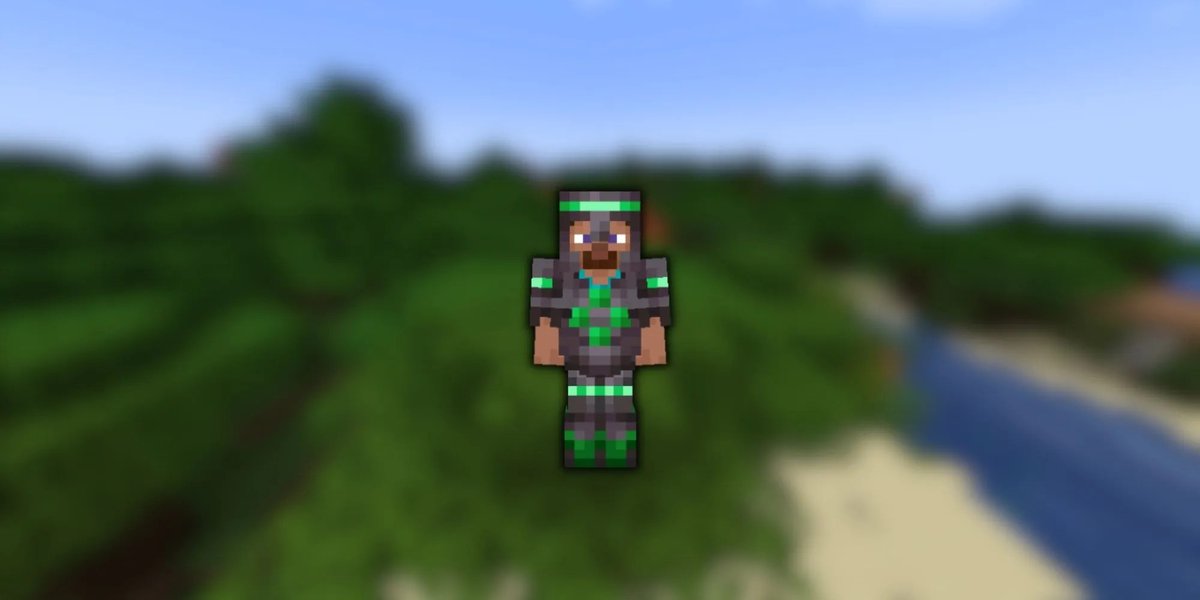
The sun glints off the fresh diamond trim on your Netherite chestplate, catching the eye of a passing villager. You’re not just surviving the night anymore; you’re making a statement. Minecraft's 1.20 "Trails & Tales" update completely revolutionized personal expression, transforming bland armor sets into canvases for your unique identity. With a dizzying array of options, diving into the world of Best Armor Trim Combinations & Design Ideas can feel overwhelming – but it doesn’t have to be.
Forget simply crafting the strongest gear. Now, it's about making it yours. This isn't just a guide; it’s your masterclass in elevating your in-game aesthetic, helping you understand the mechanics, explore a universe of style concepts, and even recreate iconic looks that will turn heads across every biome.
At a Glance: Your Quick Start Guide to Armor Trims
- Customization Powerhouse: Combine 16 trim patterns, 10 color materials, and 4 armor pieces (plus different armor materials and leather dyes) for literally quintillions of unique looks.
- Aesthetic Only: Armor trims are purely cosmetic. They do not add any protection, durability, or combat benefits. For combat, focus on enchanting!
- Smithing Table Essential: Apply trims using a smithing template, a coloring material (like Diamonds, Gold, or Emeralds), and the armor piece itself.
- One and Done: Each armor piece can only have one trim applied. Choose wisely!
- Rarity Varies: Some templates, like Silence or Raiser, are much harder to acquire, requiring dedicated exploration or grinding.
- Prioritize Function: Expensive materials like Netherite ingots are valuable. Consider using them for tools and functional armor before dedicating them to aesthetic trims.
Beyond Basic Blacksmithing: What Are Armor Trims, Really?
Before 1.20, your armor was, well, your armor. Iron looked like iron, diamond like diamond. Functional, yes, but hardly a fashion statement. The introduction of armor trims changed everything, offering an unprecedented level of visual customization.
The Anatomy of a Trim: Template, Material, Armor
At its heart, applying an armor trim is a simple three-step process at a smithing table:
- The Smithing Template: This is your pattern. Each of the 16 unique templates (like Sentry, Wild, Rib, or Spire) dictates the shape and design that will appear on your armor. They’re found through various methods, from ancient ruins to bastions.
- The Coloring Material: This is your dye. There are 10 different materials you can use, each imparting a distinct color to the trim. Want a vibrant blue? Use a Diamond. A regal gold? An Ingot. A subtle shimmer? An Amethyst Shard.
- The Armor Piece: This is your canvas. Any piece of armor—helmet, chestplate, leggings, boots—can receive a trim. The base material of your armor (leather, iron, gold, diamond, Netherite, chainmail, or even turtle shell) will affect how the trim looks, as the color material interacts with the base texture.
The Sheer Scale of Style: Quintillions of Combinations
Let that sink in: with 16 trim variants, 10 color options, and 4 distinct armor pieces, you’re looking at over 2 quintillion possible armor trim combinations. And that’s before you even factor in the underlying armor material (Iron, Diamond, Netherite, etc.) or the dyeable nature of leather armor! This staggering number means that the chances of seeing another player with your exact full armor set are astronomically low. It's a true testament to personal style.
Aesthetics, Not Armor Points: Understanding Their Purpose
This is crucial: armor trims are purely cosmetic. They offer no additional protection, no unique enchantments, no hidden buffs. They are there to make you look cool, intimidating, regal, or whatever aesthetic you desire. If you're heading into a dangerous dungeon, your focus should still be on enchanting your armor for combat benefits, not just making it look pretty. Think of them as the ultimate bling for your blocky adventures.
The Grind is Real: Acquiring Those Elusive Templates
While many armor trim templates are relatively common, some are genuine treasures that require significant effort to unearth. For instance:
- Raiser Trim: Found in Suspicious Gravel within Trail Ruins, with an 8.3% drop chance. You’ll be sifting through a lot of dirt and gravel for this one!
- Silence Trim: This one is notoriously rare, found only in the most dangerous chests within Ancient Cities. Good luck with the Wardens!
- Vex Trim: Exclusive to Woodland Mansions, requiring an arduous journey and navigating a formidable structure.
Don't get discouraged if you don't find your ideal template right away. The hunt itself is part of the adventure, adding another layer to your Minecraft experience.
Mastering Your Aesthetic: Core Design Principles for Armor Trims
With so many choices, where do you even begin? Think of armor trimming like any other design process. Understanding a few core principles will help you move from random combinations to truly cohesive and stunning looks.
The Color Wheel of Minecraft: Leveraging Materials for Hue
Each of the 10 coloring materials brings a distinct hue to your trims. Understanding these is your first step in color coordination:
- Iron Ingot: Gray (often metallic silver-gray)
- Copper Ingot: Orange/Bronze
- Gold Ingot: Yellow/Gold
- Lapis Lazuli: Dark Blue
- Emerald: Bright Green
- Diamond: Cyan/Teal
- Redstone Dust: Red
- Amethyst Shard: Purple
- Netherite Ingot: Dark Gray/Black (often adds depth to other colors)
- Quartz: White (often bone-white or pearlescent)
Consider how these colors will interact with your base armor. For instance, Lapis on Diamond armor will look different than Lapis on Gold armor.
Armor Material Matters: Base Texture as Your Canvas
Your underlying armor material isn't just about protection; it's about texture and how it carries the trim's color.
- Netherite: Dark, formidable, almost black. Trims applied here tend to pop more, especially with bright colors.
- Diamond: A vibrant blue base that complements cyan, purple, and green tones beautifully.
- Gold: A bright, flashy yellow. Trims can either enhance its opulence or tone it down.
- Iron: A classic metallic gray that offers a neutral canvas.
- Chainmail: Unique mesh texture, great for creating "dithered" or layered effects.
- Leather: Infinitely dyeable! This is your ultimate customizable base for creating truly unique color palettes.
- Turtle Shell: A unique greenish-brown, perfect for natural or jungle-themed builds.
Harmony vs. Contrast: Choosing Your Visual Language
Do you want your armor to look unified and sleek, or bold and eye-catching?
- Harmonious Looks: Use colors close to your armor's base or to each other (e.g., Diamond armor with Lapis trims, or Gold armor with Copper trims). This creates a sophisticated, understated elegance.
- Contrasting Looks: Pair a dark base with a bright trim (Netherite with Quartz) or a bright base with a dark trim (Gold with Netherite). High contrast draws the eye and can make specific trim patterns really stand out.
Experimentation is Your Best Friend: Don't Be Afraid to Try!
With millions of combinations, the best way to find what you love is to play around. Don’t be afraid to craft a few extra templates or gather some common coloring materials and just see what works. What looks good in your mind might look even better in practice, or vice-versa. And if you're looking for a quick way to visualize these combinations without committing resources, you can always explore a Minecraft armor trim generator online to preview your ideas! It's a fantastic resource for getting a feel for patterns and colors before you gather your precious materials.
Blueprint for Style: General Armor Trim Concepts to Inspire
Sometimes, all you need is a spark. These overarching style concepts offer a fantastic starting point for designing your armor sets.
Dithered, Monochromatic Gray
Who says gray has to be boring? This style leverages chainmail armor with various trim patterns and Iron Ingots as the coloring material. The chainmail's unique texture, combined with the subtle shifts in pattern, breaks uniformity and adds incredible depth. It’s perfect for a rugged, utilitarian, or stealthy look.
High Contrast, Black And White
A timeless classic. Combine dark Netherite armor with bright Quartz armor trims for a strikingly crisp and modern visual. This combination screams sophistication and power. For a slightly softer or more muted effect, you could swap Quartz with Iron Ingots, or even integrate the elusive Silence trim style for an ominous touch.
Gold With Iron And Quartz Shading
Gold armor can be a bit… much. This concept tones down its inherent flashiness by applying subtle armor trims using Quartz and Iron Ingots. The result is a more realistic, slightly aged, or regal look that conveys wealth without being gaudy. Think ancient royalty or a distinguished merchant.
Black With Teal, Red, Or Gold
For an undeniably cool and powerful appearance, pair Netherite armor with a strong trim pattern like Silence (if you can find it!) and coloring materials like Diamonds (for teal), Gold Ingots (for a rich yellow), or Redstone Dust (for a fiery red). This creates a formidable presence, perfect for a boss character or an elite warrior.
Gold With Red And Black
This combination oozes opulence, regality, or even malevolence. Imagine Gold armor with Redstone Dust trims, creating a large, gem-like red accent, often complemented by Netherite Ingots for black accents. It's a favorite for creating an intimidating king, a powerful wizard, or a villainous warlord.
Black With Red And Dark Shading
A dark, menacing aesthetic that conveys a formidable and no-nonsense presence. This typically involves Netherite armor, Redstone Dust for key red accents, and potentially Netherite Ingots for subtle, dark-on-dark shading in other trim areas. It's the look of a shadow knight or a hardened veteran.
Black With Bright Green
Want to stand out with a vibrant pop of color? Achieve this by applying Emeralds as the coloring material onto Netherite or black-dyed leather armor. While it will cost you four Emeralds per trim (not cheap!), the striking green glow against a dark background is truly unique, reminiscent of mystical swamp dwellers or powerful mages.
Black With Metallic Copper
A distinct, earthy, and powerful style, often achieved using the Raiser armor trim (found in Trail Ruins) with Copper Ingots on Netherite armor. This look is particularly suitable for a Dwarven guard, a rugged explorer, or someone who appreciates an industrial-fantasy vibe.
Gold With Black Accents
For a priestly, scholarly, or merchant-like appearance, combine Gold armor with strategic black accents. The Silence armor trim on helmets, potentially colored with Netherite Ingots, can create a striking contrast, hinting at authority and mystery. This look balances elegance with a touch of austerity.
Teal With A Dark, Subdued Blue
If you've accumulated a surplus of Diamonds, this is your chance to show them off! Create a full set of Diamond armor and apply Diamond trims for a cohesive, rich teal look. For subtle variation or darker accents, use Lapis Lazuli as a coloring material, creating a depth that is both elegant and undeniably wealthy.
Signature Looks: Detailed Armor Trim Combinations to Recreate
Now, let's get specific. These are curated combinations, piece-by-piece, to help you build iconic looks from the ground up.
The Missing Emerald Armor
Ever wished for Emerald armor? This combination gets you incredibly close to the aesthetic, perfect for bragging rights (though remember, no combat protection here!).
- Helmet: Shaper Armor Trim with emerald on green leather
- Chestplate: Snout Armor Trim with emerald on green leather
- Leggings: Sentry Armor Trim with emerald on green leather
- Boots: Shaper Armor Trim with emerald on green leather
Scattered Iron
Elevate your basic iron armor with compelling black and red accents, adding visual depth reminiscent of chainmail.
- Helmet: Raiser Armor Trim with Redstone dust on iron
- Chestplate: Ward Armor Trim with Netherite ingot on chainmail
- Leggings: Raiser Armor Trim with Redstone dust on iron
- Boots: Wild Armor Trim with Netherite ingot on iron
Football Season
Score a touchdown with this sports-inspired outfit. The base uses black leather and Redstone dust, but feel free to swap Redstone for Diamonds (blue), Lapis (dark blue), Emeralds (green), or Gold Ingots (yellow) to represent your favorite team's colors!
- Helmet: Dune Armor Trim with Redstone dust on black leather
- Chestplate: Snout Armor Trim with Redstone dust on black leather
- Leggings: Host Armor Trim with Redstone dust on black leather
- Boots: Sentry Armor Trim with Redstone dust on black leather
New Pillager
Channel your inner Evoker with this menacing recreation. It uses black leather and Gold Ingots, focusing on the Vex and Eye armor trims. Be warned: the Vex trim is exclusively found in those sprawling (and dangerous!) Woodland Mansions.
- Helmet: Vex Armor Trim with gold ingot on black leather
- Chestplate: Vex Armor Trim with gold ingot on black leather
- Leggings: Vex Armor Trim with gold ingot on black leather
- Boots: Eye Armor Trim with gold ingot on black leather
Nether Knight
A truly formidable and fierce design for those who brave the Nether. This look features a dominant red layer on Netherite armor, utilizing Redstone dust to evoke the fiery depths.
- Helmet: Dune Armor Trim with Redstone dust on Netherite
- Chestplate: Snout Armor Trim with Redstone dust on Netherite
- Leggings: Host Armor Trim with Redstone dust on Netherite
- Boots: Sentry Armor Trim with Redstone dust on Netherite
Jungle King
Blend seamlessly into lush biomes with this practical camouflage option, featuring harmonious green and brown shades. The turtle shell helmet adds a unique touch of natural protection.
- Helmet: Silence Armor Trim with emerald on turtle shell
- Chestplate: Host Armor Trim with emerald on brown leather
- Leggings: Silence Armor Trim with emerald on Netherite
- Boots: Rib Armor Trim with emerald on brown leather
Shine in Blue
For an elegant and sophisticated look, combine the deep blue of Diamonds with subtle iron stripes on Netherite armor. This design speaks of refined taste and considerable wealth.
- Helmet: Rib Armor Trim with iron ingot on Netherite
- Chestplate: Silence Armor Trim with diamond on Netherite
- Leggings: Rib Armor Trim with diamond on Netherite
- Boots: Snout Armor Trim with iron ingot on Netherite
Golden Warrior
Showcase both your wealth and your prowess by cladding yourself in this luxurious golden armor, accented with the formidable dark tones of Netherite and the subtle shimmer of Amethyst shards.
- Helmet: Spire Armor Trim with Netherite on gold
- Chestplate: Ward Armor Trim with amethyst shard on gold
- Leggings: Silence Armor Trim with Netherite on gold
- Boots: Wayfinder Armor Trim with amethyst shard on gold
Neon Fighter
Add a subtle yet striking neon, purple glow to your Netherite armor using Amethyst shards. This look is modern, mystical, and perfect for those who want to stand out, even in the darkest caves.
- Helmet: Spire Armor Trim with amethyst shard on Netherite
- Chestplate: Ward Armor Trim with amethyst shard on Netherite
- Leggings: Silence Armor Trim with amethyst shard on black leather
- Boots: Wayfinder Armor Trim with amethyst shard on Netherite
Barbieheimer – Pink Armor Trims
Yes, it’s a thing! This iconic pink and black combination uses pink leather, Netherite ingots, and Amethyst shards for an aura that’s both commanding and inviting. Remember, pink leather offers less protection, so this is definitely a style-over-substance choice.
- Helmet: Sentry Armor Trim with Netherite ingot on pink leather
- Chestplate: Silence Armor Trim with amethyst shard on Netherite
- Leggings: Coast Armor Trim with Netherite ingot on pink leather
- Boots: Dune Armor Trim with amethyst shard on Netherite
Common Pitfalls & Pro-Tips for Your Trim Journey
Navigating the world of armor trims is mostly about creative expression, but a few pointers can save you resources and frustration.
The "Shiny Object" Trap: Prioritizing Function Over Form
It's easy to get excited about a cool trim, but remember the core purpose of your gear. If you've just found a rare Silence trim, it might be tempting to slap it on your shiny new Netherite chestplate. However, if that Netherite ingot would be better spent upgrading a vital pickaxe or crafting a Netherite block for beacon power, hold off on the trim. Prioritize your functional progression, especially with high-value materials.
Rarity Doesn't Always Mean Best: Choosing Trims Wisely
While the Silence trim is incredibly rare, it might not suit every aesthetic. A common Sentry trim, expertly colored and combined, can look far more stunning for a specific build. Don't feel pressured to use the rarest trims if they don't align with your vision. Your personal style is the ultimate guide.
Leather Armor: A Versatile (But Vulnerable) Canvas
Leather armor is the only type you can dye in Minecraft. This makes it incredibly powerful for unique color schemes, especially when paired with complementary trims. Want full green armor with golden accents? Dye your leather green, then add Gold Ingot trims. Just remember its significantly lower protection value compared to other armor types. It's great for role-playing, casual exploration, or displaying in your base, but maybe not for facing the Ender Dragon.
Don't Forget the Dye!
Speaking of leather, the game's wide array of dyes opens up even more possibilities. Before you even consider trims, dying your leather armor a custom color can set the entire tone for your outfit. Experiment with combining different leather dyes and trim colors to unlock truly unique palettes.
FAQs: Your Quick Answers to Armor Trim Quandaries
Got a burning question about armor trims? Here are some common answers.
Do armor trims add protection?
No, armor trims are purely cosmetic. They do not add any protection, durability, or special abilities to your armor. For combat benefits, you'll need to enchant your gear.
How many armor trims can you put on one piece of armor?
Only one armor trim can be applied to a single piece of armor (helmet, chestplate, leggings, or boots). Once applied, it cannot be changed or removed.
Are some armor trims harder to find than others?
Yes, absolutely. Some trims like the Raiser (from Trail Ruins) or Silence (from Ancient Cities) have low drop chances or are found in extremely dangerous structures, making them significantly rarer than others found in more common locations like Desert Temples or Shipwrecks.
Can I remove an armor trim once applied?
Unfortunately, no. Once an armor trim is applied to a piece of armor, it is permanent. There is no in-game mechanic to remove it or change its color. Always be sure of your design before applying precious materials!
Forge Your Legacy: Your Next Steps in Minecraft Style
The world of Minecraft armor trims is vast and brimming with creative potential. You now understand the mechanics, have a vault of design concepts, and a list of specific combinations to inspire your journey. The next step is simple: start experimenting.
Gather some basic materials, find a smithing table, and begin your personal quest for the ultimate aesthetic. Will you be a formidable Nether Knight, a dazzling Golden Warrior, or a stealthy Jungle King? The choice is yours. Embrace the creativity, enjoy the hunt for rare templates, and craft a look that truly reflects who you are in your blocky world. Your legend is waiting to be worn.